Look, we’ve all been there. You’re pulling a hot dish out of the oven, and your finger brushes the metal. Ouch. A few hours later, you notice a fluid-filled bump forming. Now you’re wondering how to treat a mild burn blister on your finger without popping it.
Here’s the thing. Your body is actually doing you a huge favor. That blister is a natural bandage. It protects the raw skin underneath from bacteria while it heals. Popping it is a terrible idea. It opens the door to infection and slows down your recovery.
So, what should you do instead? Let’s walk through the exact steps to keep it clean, safe, and healing properly. No guesswork. Just solid, medically sound first aid.
Why Popping a Burn Blister is a Bad Idea
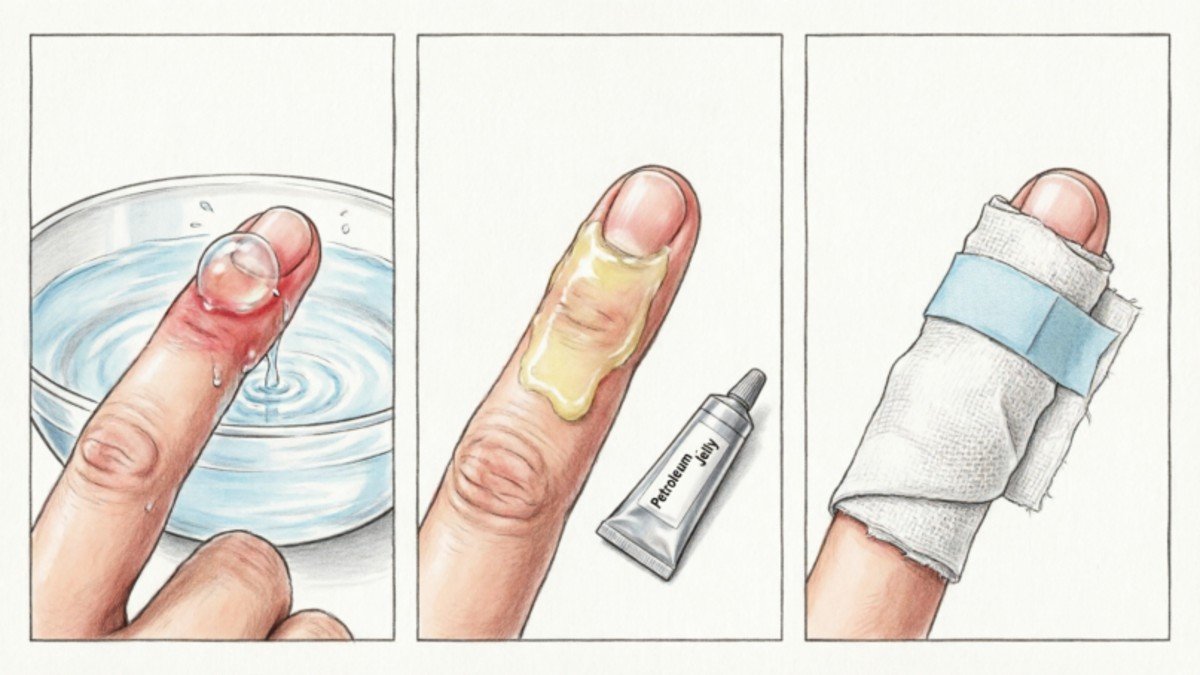
It is incredibly tempting to grab a needle and pop that thing. Don’t do it.
When you pop a blister, you strip away the body’s built-in sterile dressing. The skin underneath is raw and highly vulnerable.
A blister roof is nature’s best bandage. Once you break that seal, you invite bacteria straight into a fresh wound. Keep it intact whenever possible.” — Dr. Sarah Jenkins, Emergency Medicine Physician
Leaving it alone drastically lowers your risk of infection. Plus, it hurts a lot less. The fluid inside also contains proteins and growth factors that actively speed up healing.
| Myth | Fact | Reality Check |
|---|---|---|
| Popping it makes it heal faster. | Popping it increases infection risk. | Keep the roof intact. Period. |
| You should put butter on a burn. | Butter traps heat and breeds bacteria. | Use cool running water only. |
| All blisters need to be drained. | Only a doctor should drain large, painful blisters. | Leave minor ones alone. |
| Ice is the best immediate treatment. | Ice can cause further tissue damage. | Cool tap water is the gold standard. |
The Safe Route: Step-by-Step First Aid for Finger Burn
Here is your exact action plan. Follow these steps to handle minor burn blister care like a pro.
Step 1: Cool the Area Immediately
Run cool (not cold) tap water over the burn for 10 to 15 minutes. Do this as soon as possible. This stops the burning process deep in the tissue. Never use ice. Ice restricts blood flow and can worsen the damage.
Step 2: Wash Gently
Once cooled, wash the area with mild soap and water. Be gentle. Do not scrub. You want to remove dirt without breaking the skin. Pat it dry with a clean towel.
The goal of early wound care is simple: prevent infection without disturbing the natural healing process. Gentle cleaning is all you need.” — Dr. Marcus Thorne, Dermatology Specialist
Step 3: Apply a Protective Barrier
Slather a thin layer of petroleum jelly or an antibiotic ointment over the blister. This keeps the area moist. A moist environment actually promotes faster healing than letting it dry out and scab.
Step 4: Cover It Up
Wrap the finger loosely with a sterile, non-stick bandage. Change this dressing daily, or anytime it gets wet or dirty. Make sure it is not too tight. You still need good blood circulation to your finger.
| Item | Purpose | Pro Tip |
|---|---|---|
| Cool tap water | Stops tissue damage | Run for 10-15 mins immediately |
| Mild soap | Cleans without irritation | Avoid harsh antibacterial soaps |
| Petroleum jelly | Keeps wound moist | Apply a thin, even layer |
| Non-stick gauze | Protects the blister | Change daily or if wet/dirty |
| Medical tape | Secures the dressing | Do not wrap too tightly |
| OTC pain reliever | Manages discomfort | Ibuprofen or acetaminophen work well |
What to Expect: Your Healing Timeline
Healing takes time. You cannot rush biology. Here is a realistic timeline for healing burn blisters at home.
Days 1-3: The Inflammatory Phase
Your finger will be red, swollen, and tender. The blister might look cloudy. This is normal. Your immune system is rushing white blood cells to the area to start repairs.
Days 4-7: The Proliferation Phase
The pain will start to fade. The fluid inside the blister will slowly reabsorb into your body. The skin underneath is actively rebuilding.
Weeks 2-3: The Remodeling Phase
The blister roof will dry out, flatten, and eventually peel off on its own. Fresh, pink skin will be visible underneath. Keep this new skin moisturized and protected from the sun.
Patience is your best tool. Forcing the process by picking or popping only resets the healing clock and invites complications.” — Dr. Elena Rostova, Wound Care Specialist
| Timeframe | What’s Happening | What You Should Do |
|---|---|---|
| Days 1-3 | Swelling, redness, fluid buildup | Cool, clean, and cover the area |
| Days 4-7 | Pain decreases, fluid reabsorbs | Continue daily dressing changes |
| Weeks 2-3 | Blister dries and peels naturally | Moisturize new skin, avoid sun |
| Week 4+ | Skin fully regenerated | Resume normal activities |
Red Flags: Signs of an Infected Burn Blister
Most minor burns heal perfectly on their own. But you need to know when things are going south. Watch out for these warning signs.
If you spot any of these, skip the home remedies and see a doctor immediately.
- Increased redness spreading beyond the blister.
- Pus or foul-smelling drainage (clear fluid is normal, yellow/green is not).
- Worsening pain after the first 48 hours.
- A fever or chills.
- Red streaks moving up your hand or arm.
These are classic signs of infected burn blister development. Infections can spread quickly in the hands. Do not wait it out.
| Symptom | Possible Cause | Immediate Action |
|---|---|---|
| Yellow or green pus | Bacterial infection | See a doctor today |
| Spreading redness | Cellulitis or worsening inflammation | Seek medical evaluation |
| Fever over 100.4°F (38°C) | Systemic infection | Go to urgent care or ER |
| Numbness or tingling | Nerve involvement or tight bandage | Loosen bandage, consult doctor |
Things You Must Avoid
Let’s be real. The internet is full of terrible burn advice. Here is what you need to skip.
Do Not Use Ice: We mentioned this, but it bears repeating. Ice causes vasoconstriction. That means it shrinks blood vessels and starves the damaged tissue of oxygen.
Do Not Apply Butter or Toothpaste: These are old wives’ tales. They trap heat inside the skin and introduce bacteria.
Do Not Pop It: Seriously. Just don’t.
Do Not Peel the Skin Early: Let the dead skin fall off naturally. Peeling it early exposes raw tissue.
| Method | Verdict | Why? |
|---|---|---|
| Popping with a needle | Dangerous | Introduces bacteria, delays healing |
| Applying butter/oil | Dangerous | Traps heat, invites infection |
| Using ice directly | Dangerous | Causes further tissue damage |
| Cool running water | Safe | Stops burning, soothes pain |
| Non-stick bandage | Safe | Protects from friction and dirt |
When to See a Doctor
Home care is great for mild, small blisters. But some burns need professional eyes.
Seek medical attention if:
- The blister is larger than 2 inches across.
- The burn is on your face, hands, feet, or genitals.
- The burn was caused by chemicals or electricity.
- You have diabetes or a weakened immune system.
- The blister pops on its own and looks infected.
Better safe than sorry. A quick trip to urgent care can save you weeks of trouble.
| Care Option | Estimated Cost | Best For |
|---|---|---|
| Home First Aid Kit | $10 – $20 | Minor, uncomplicated blisters |
| Urgent Care Visit | $100 – $200 (with copay) | Signs of infection or large blisters |
| Emergency Room | $500+ (varies widely) | Chemical burns, severe pain, fever |
| Prescription Antibiotics | $15 – $50 (with insurance) | Confirmed bacterial infections |
Key Takeaways
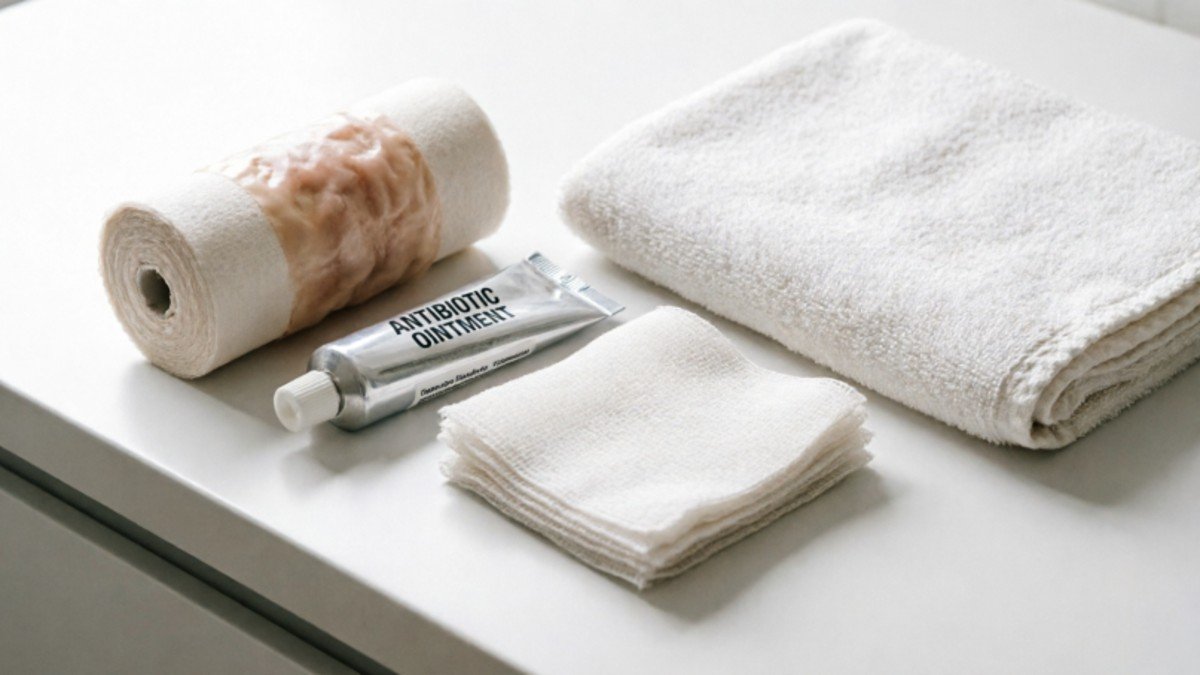
✓ Learn how to treat a mild burn blister on your finger without popping it to ensure fast, safe healing. ✓ Cool the burn with tap water immediately, never ice. ✓ Keep the blister intact; it is your body’s natural sterile bandage. ✓ Change your non-stick dressing daily to prevent infection. ✓ Watch closely for signs of infected burn blister, like pus or spreading redness. ✓ See a doctor if the blister is large, worsening, or caused by chemicals.
Frequently Asked Questions
Q: How do you treat a mild burn blister on your finger without popping it?
A: Cool it under running tap water for 10-15 minutes. Gently wash with mild soap, apply a thin layer of petroleum jelly, and cover it with a sterile, non-stick bandage. Leave the blister roof intact.
Q: Do burn blisters heal faster if you pop them?
A: No. Popping a blister removes your body’s natural protective barrier. This drastically increases the risk of infection and actually slows down the overall healing process.
Q: What should I put on a burn blister to help it heal?
A: A thin layer of petroleum jelly or a basic antibiotic ointment is best. This keeps the wound moist, which promotes faster tissue regeneration and prevents the bandage from sticking.
Q: Can I shower with a burn blister on my finger?
A: Yes, but keep it brief. Try to keep the bandage dry. If it gets wet, gently pat it dry and replace it with a fresh, sterile dressing as soon as possible.
Q: How long does it take for a minor burn blister to heal?
A: Most minor burn blisters heal completely within 1 to 2 weeks. The fluid will reabsorb, the skin will dry out, and it will peel off naturally.
Q: Is it normal for a burn blister to hurt?
A: Yes, mild to moderate pain and tenderness are completely normal for the first few days. Over-the-counter pain relievers like ibuprofen or acetaminophen can help manage this discomfort.
Q: What does an infected burn blister look like?
A: Signs of infection include worsening pain, spreading redness, swelling, foul-smelling yellow or green pus, and sometimes a fever. If you see these, see a doctor immediately.
Q: Can I use aloe vera on a burn blister?
A: Pure aloe vera gel is fine for minor, unbroken burns. However, once a blister forms, it is safer to stick to petroleum jelly and a sterile bandage to avoid introducing any contaminants.
Q: What if my burn blister pops on its own?
A: Do not peel off the dead skin. Gently wash the area with soap and water, apply an antibiotic ointment, and cover it with a non-stick bandage. Watch closely for infection.
Q: Should I wrap my finger tightly to protect the blister?
A: No. Wrap it loosely. A bandage that is too tight can restrict blood flow to your finger, which delays healing and can cause additional tissue damage.
Q: Can I go to work with a burn blister on my finger?
A: Absolutely. Just keep it covered with a clean bandage. If your job involves heavy manual labor or dirty environments, consider wearing a protective glove over the bandage.
Q: Why did my burn blister fill with clear fluid?
A: That fluid is serum. It leaks from nearby blood vessels to cushion and protect the damaged tissue underneath while new skin cells form. It is a sign your body is doing its job.